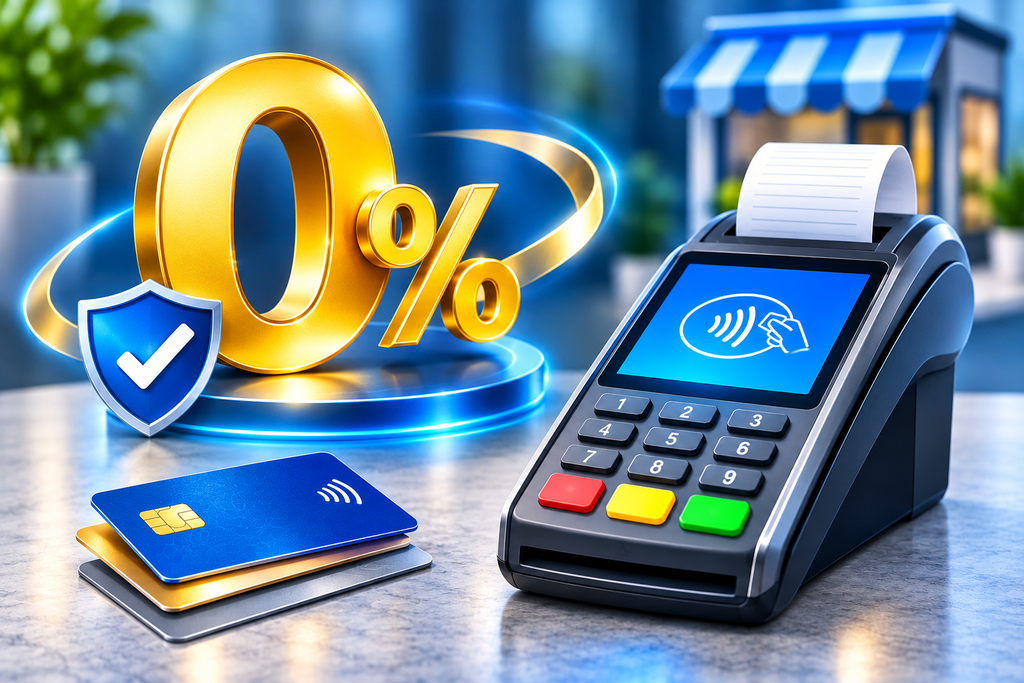
Zero Fee Merchant Processing: A Smarter Approach to Business Payment Processing

Search

Zero Fee Merchant Processing: A Smarter Approach to Business Payment Processing

Many businesses need to take credit and debit card payments but the cost of processing them can eat into overall profitability. Each transaction potentially adds to the monthly merchant service fees, which can make it more difficult for business owners to keep their money. 

Zero fee merchant processing offers an alternative approach by changing how payment processing costs are handled. Instead of charging businesses the traditional processing costs, the model charges customers for card payments. With this framework, the business can get the amount they want to buy and reduce the processing cost.

We understand at Dual Payments that the cost of payments can be a major issue for businesses processing card transactions on a regular basis. We are looking to partner with the merchants to explore options to reduce their processing burden.

Businesses considering zero fee processing should be well informed about the payment arrangement before making a decision. The way fees are shown, collected, and enforced is important to creating a unique checkout experience. Merchants can judge whether this is a good fit for their business by looking at what information is available and what payment options customers have.

How Zero Fee Payment Processing Works

Under traditional card processing, businesses generally need to pay transaction-related fees to accept electronic payments. This is especially true for merchants who do a lot of sales to customers, as these fees can add up throughout the month. Businesses can continue to accept convenient card payments but handle this cost through a different payment arrangement.

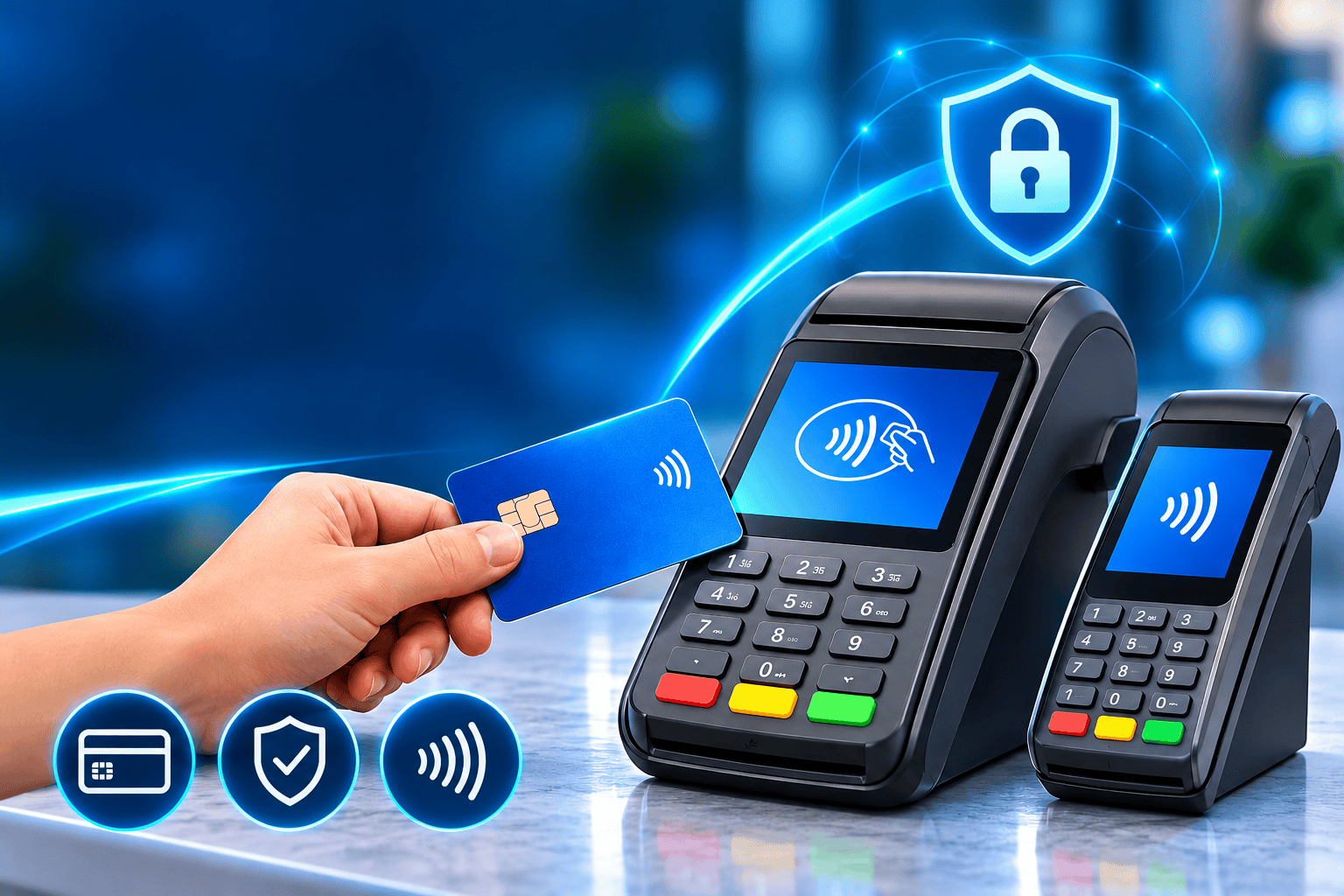
With zero fee payment processing, the payment platform adds a disclosed service fee to eligible customer purchases. When customers complete their transaction, they can see the extra amount that applies to the payment method they have chosen. The merchant does not pay the cost of processing the payment . The fees that are taken are used to pay for the cost .

The program’s design allows merchants to receive the full purchase price for their transactions. Merchants can use a model which offsets processing expenses by including customer payment fees instead of viewing customer payment fees as just another recurring business cost.

Dual Payments’ zero fee approach is designed to enable this arrangement for participating merchants. The payment technology takes care of the service fee at the point of sale, freeing the business to not have to manually work out any additional amounts. 

What Businesses Can Learn From a Zero Fee Case Study

Real world business experiences can provide helpful insights when considering alternative payment processing arrangements. A case study allows merchants to see how a payment solution works in a real business environment rather than just general explanations. It also gives potential buyers a chance to think about real world considerations before selecting a new CPU.

The Dual Payments case study focuses on how one business was able to keep its revenue while accepting credit card payments. It’s mostly a way of saying there’s another way to deal with traditional merchant processing fees. This example is a good starting point for business owners who are used to looking at their operational costs to get the idea.

Merchants interested in the Zero Fee Processing option can learn how it works in practice from our case study resource. “Business owners should use the real case study as a reference rather than provide a fictitious savings number or unsupported financial result. This lets them assess the information by the business experience which has been given.

At Dual Payments, we think it’s important to understand the process to make informed decisions around payment technology. Business owners should examine their transaction patterns, client preferences, and current processing arrangements. They can look at a real world example to see what questions apply before deciding if this payment model will work for them.

Reducing Merchant Processing Expenses Without Changing Everyday Operations

Merchant processing expenses can impact how businesses handle revenue and operating budgets. While individual transaction fees may seem relatively small, when charged repeatedly, they can add up over time. Merchants may be able to tackle these costs by looking at different payment structures that do not sacrifice the convenience of taking electronic payment from customers.

Businesses looking to rethink their payment costs have the option of zero fee processing. The processing costs under the program include the disclosure of customer service fees. This arrangement is designed to reduce the direct processing burden on the merchant, while maintaining an established method for accepting card payments.

The goal for businesses is to understand how this arrangement impacts the overall checkout experience. Before making a purchase, customers should be provided with full details of the charges they will be incurring. Merchants also need to be aware of the requirements of the program and the applicable payment regulations for the arrangement to be executed correctly.

Here at Dual Payments we assist businesses in looking at payment solutions that reduce their ongoing processing costs. You can compare the current payment setup with another program . There are significant differences . This assessment assists merchants in reviewing their operational needs, customer expectations and potential financial benefits before amending their existing arrangements.

Improving Payment Transparency and the Customer Checkout Experience

Payment transparency is critical to keeping customers confident through day-to-day transactions. Customers want to understand the nature of their payments and whether they will be charged any additional fees related to the payment method they choose. If a business uses an alternative processing arrangement, the business should make this information easy to understand before the customer reaches the final payment step.

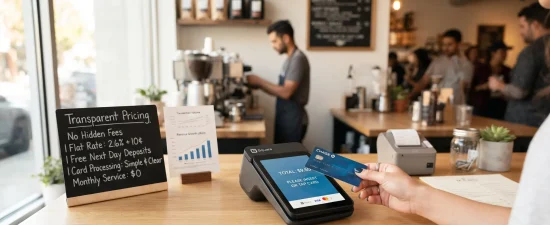
With zero fee payment processing, clear disclosure of applicable service fees is an important part of the transaction. Customers must understand the payment options available to them and the cost associated with their choice. It’s helpful to provide this information before the checkout process begins, as it creates a smoother buying experience and sets realistic expectations.

Businesses should also educate staff to explain the payment arrangement to customers who ask. Staff who understand how the system works can explain the options more confidently. Clear transaction details, proper signage, and consistent explanations can help to prevent misunderstandings during high checkout volume periods.

At Dual Payments, we understand that payment technology should enable customer interaction alongside business operations. The processing arrangement should be transparent to the merchant and the customer. By reviewing the disclosure requirements and checkout process, businesses can make better choices about introducing alternative payment methods.

Choosing the Right Payment Processing Solution for Your Business

But there’s more to choosing a payment processor than just the individual transaction rates. Business owners need to consider the entire package, including ongoing costs, customer payment options, account requirements and equipment. Knowing the elements enables one to assess if a given processing solution meets the operational and financial objectives of the organization.

When evaluating zero fee merchant processing, merchants should examine how the program calculates and collects applicable customer fees. They will also need to understand what transactions are eligible and whether their business model meets the eligibility criteria and what responsibilities are involved in implementation. These details will help avoid any confusion once the new payment setup is in place.

Businesses should compare the current processing statements with the proposed solution to see how they may differ. Transaction volume, average purchase amounts and payment preferences of customers may determine the suitability of an alternative model. Instead of focusing on the advertised savings, it’s more practical to look at these factors:

Before choosing a solution, the team at Dual Payments suggests that business owners understand their own processing needs. Every business has its own transaction patterns and customer expectations. A discussion about the merchant’s current payment system can clarify whether the current processing arrangement meets the merchant’s needs.

Why Businesses Explore Dual Payments for Zero Fee Processing

The purpose of payment processing is to help a business grow, not to create unnecessary complications in the day-to-day running of the business. Traditional processing costs become hard to manage and merchants often look for other alternatives.

Dual Payments provides information for businesses looking to lower their direct merchant processing costs with its Zero Fee Processing model. The program recovers processing costs by charging customers a disclosed service fee on their purchases. This structure provides merchants with another way to avoid paying processing costs out of their own pocket the way they traditionally have.

We also have a case study resource on our website that is designed to help business owners understand the approach better. The resource explains how a business was able to keep its revenue while taking card payments. Read the case study and program information to understand why this payment solution is being offered to prospective merchants.

Businesses considering zero fee payment processing should look beyond general claims and understand the actual program details. Eligibility, required disclosures, transaction processing and customer payment choices all require careful consideration. At Dual Payments we recommend that merchants take a look at the information they have to see if this method is suitable for their business.

Explore Zero Fee Merchant Processing With Dual Payments

Understanding how transaction fees affect your business is the first step to choosing the right payment processing setup. Merchants who accept credit cards often may want to look at alternatives to the traditional processing structures. The analysis of different approaches allows identifying opportunities for the management of payment costs, ensuring the availability of convenient electronic payment options for customers.

The zero fee merchant processing model provides a different way to approach the costs associated with accepting card payments. For participating businesses, a structure may be considered to help reduce their direct processing burden by using disclosed customer service fees to offset processing costs. You have to understand the entire structure before you can determine if it’s correct.

The case study allows us to learn about a method of implementing the Dual Payments Zero Fee Processing solution that a business used to accept credit cards. There is information available that business owners might consult to get a better feel for the concept and how it works in practice. This is a useful starting point to determine if a similar arrangement is appropriate.

At Dual Payments, we aim to give businesses a better understanding of their payment processing options. After going through the program details and analyzing the case study, you can make a more informed decision. If you are feeling the pinch of ongoing merchant processing fees on your business, then you might want to consider our no-fee processing model.
Share the Post:
Search

Download a Zero Fee Case Study

Learn more about how Zero Fee Processing has actually put money back in the pockets of a real-life business owner.

Related Posts

To run a successful retail business, you need reliable payment technology, organized inventory management, and easy checkout processes. At Dual Payments, we recognize these common

[...]

Businesses today depend on reliable payment systems to protect transactions and make checkout easier for their customers. At Dual Payments, we help businesses understand how

[...]

At Dual Payments, we understand that choosing a reliable payment method is an important part of running a cannabis dispensary. Marijuana credit card processing presents

[...]

As a small business owner you need to ensure you are providing your customers with what they want whilst also ensuring your day-to-day running costs

[...]

Request A Call From A Dual Payments Representative

We know you’ve got questions. You could spend the day reading every word of our website, but you might find answers more quickly by just asking someone from our team. That’s what we’re here for!

Want more profits? Stop paying processing fees.

Contact US NOW!
All fields are required

Have urgent questions? Contact us directly.

Boost Dental Practice Revenue with Dual Pricing

Drive higher patient retention and healthier financials with clear billing, dual pricing, and cost-effective payment processing solutions.

Transform Payment Processing for Chiropractors

Offer transparent pricing with Dual Pricing & Cash Discounts. Patients pay less, you save more—financial freedom for your clinic.

Download a Zero Fee Case Study

Learn more about how Zero Fee Processing has actually put money back in the pockets of a real-life business owner.

Boost Your Electrical Business Profits Today

Transform how your electrical business gets paid — zero fees, free equipment, easy setup, and tailored processing solutions for contractors.

Don't have time to read it all right now?​

Download your free PDF of “The Complete Guide to Credit Card Processing“. Just give us your email and we’ll send it to you right away!

Example of High Risk Merchants

  • 1-900 Phone companies – If you’re the type of company that charges people to have a chat on the phone, you’ll be considered high risk.
  • Adult Bookstores – Clearly a part of the adult entertainment industry, and an easy mark for the high risk tag.
  • Adult Entertainment – Any business labeled with the “adult” descriptor will automatically be assigned a high risk status.
  • Adult Toys – As “adult” is in the name, it’s an easy target for association with the adult entertainment market.
  • Airline Industry – Due to cancellations on high ticket purchases, this will put your airline company in the high risk category
  • Amazon Stores – By having a high rate of return, Amazon stores are seen as high risk.
  • Ammo Sales – Association with the weapons industry guarantees high risk status.
  • Annual Contracts – Any time an annual contract is involved it can be considered highrisk because most consumers forget they signed up and chance of chargeback can be high.
  • Antiques – With a high average ticket per item, antiques are considered a risky merchant type.
  • Astrology – The study of the celestial bodies and the influence on human affairs can be a chargeback target if customers feel like they aren’t getting the answers they want.
  • Auctions – Because of the nature of bidding on a product and not having a set price the risk level goes up.
  • Autographed Collectables – There is almost always a question as to whether an autograph is authentic, and therefore chargebacks are much higher in this industry.
  • Automotive Brokers – Brokers of automobiles have a very high average ticket are are therefore of higher risk.
  • Bankruptcy Attorneys – Since the people who are working with bankruptcy attorneys are usually in financial trouble, the odds that a payment would be charged back is higher.
  • Betting Services – In many states betting is illegal but for the legal states betting with a credit card has huge chargeback implications.
  • Brokering – When a third party is involved with selling a product the risk level goes up ten fold.
  • Business Loans (Merchant Cash Advances) – Loaning money is always risky, but with business loans and startup lending, high risk is present by the nature of the business.
  • Casino – Just like a betting service, if a customer gambles with their credit card the chargeback rate sky rockets.
  • CBD Products – CBD itself poses high chargebacks because of the legitimacy of the product and the health benefits promised.
  • CBD E commerce – CBD E Commerce has twice the charge back of retail CBD because many consumers don’t feel like the product they receive gives them the benefits promised.
  • Check Cashing (Check Processing) – The level of fraud in check cashing and cash advances is what gives this industry a higher risk consideration.
  • Cigarettes – With higher levels of risk for theft and criminal activity, cigarette sales are deemed high risk.
  • Collection Agencies (Collection Agency) – Many banks see collections as an unsustainable business model that is many times unreliable.
  • Collectible Coins – A higher level of chargeback in this industry gives it a high risk tag.
  • Collectible Currency – Due to the level of inauthentic collectibles, the risk of chargebacks are much higher with collectibles.
  • Copyrighted eBooks – When someone sells something copyrighted without permission many legal issues can arise.
  • Coupon Programs – With many coupon programs the coupons expire and once they expire the consumer wants the money back they spend.
  • Credit Counseling – Due to their clients usually being in financial problems, this industry is fraught with non-payment and fraud.
  • Credit Protection – Most people that need credit protection are bad with money so chargebacks abound.
  • Credit Repair – If a consumer needs credit repair then chances are they are a high risk for chargebacks.
  • Currency Sales – Many businesses that exchange currency do it at incorrect rates hence more chargebacks.
  • Dating Services – Dating is a volatile industry, and is also lumped in with the adult entertainment industry, making it a high risk account.
  • Debt Collection Services – As the collection of debt isn’t always possible, this industry retains the tag of risky.
  • Debt Consolidation Services (Debt Consolidators) – Consolidating debt is a challenging business and as debt is usually the problem, it’s seen as unsecure from a payment perspective.
  • Debt Repair Services – Since the clients of debt repair services are usually having financial challenges, it makes this industry seem a higher risk.
  • Discount Health Programs – Many people don’t feel they are really getting a discount so they try to get their money back and if they don’t the chargebacks sky rocket.
  • Discount Medical Care Programs – Just like the discount health programs if they don’t save the consumer wants their money back.
  • Drug Paraphernalia – Anything that is associated with the drug trade is considered high risk. Offshore merchant accounts are commonly used for this type of business.
  • E Commerce – As the source of the payment is unverifiable at the point of sale, any transaction without the card present has a higher risk of credit card fraud.
  • Ebay Stores – Many people sell items that aren’t as described so chargebacks can be an issue.
  • Electronic cigarettes – much like traditional cigarettes, e-cigarette sales are also deemed high risk.
  • Electronics – This industry has a much higher ticket compared with many other businesses. A chargeback for a $3,000 tv or two and your account can be in jeopardy rather quickly.
  • Escort Services – This is deemed a part of the adult entertainment industry and therefore needs a high risk merchant account and payment solution.
  • Event Ticket Brokers – If a customer buys a ticket and doesn’t use it they feel like they can charge the transaction back.
  • Extended Warranty Companies – Warranties are rarely used so people try to charge back the money that has been spent paying for them.
  • Federal Firearms License Dealers – Any organization associated with guns or firearms is automatically considered in this category.
  • Fantasy Sports Websites – Just like gambling, if a person starts to lose too often they try and charge back the transaction.
  • Finance Brokers – The entire financing industry is risky. By simply extending credit to other individuals, this business is betting that a majority of them will actually pay what they say they will.
  • Financial Advising/Consulting – The high risk tag on financial advisors isn’t about the advisors or their firm. It’s about the clientele and their current circumstances.
  • Financial Loan Modification Services – Due to a clientele in financial struggles, the high risk term is applied to any payments in this industry.
  • Financial Planning – Anything that includes risk for the consumer can have consumer implications with chargebacks.
  • Financial Strategy – Another risk and reward category, if money is lost, consumers try charging back making this a high risk industry.
  • Fortune Tellers – When a person doesn’t hear what they want to hear, or what is told doesn’t happen, the fortune teller can receive huge chargebacks.
  • Furniture Sellers – High risk only when its custom furniture.
  • Gambling – If money is lost the chargebacks rise.
  • Gaming – Chargeback levels skyrocket when consumers don’t win.
  • Get Rich Quick Programs – It’s rather common in this industry for an individual to purchase the training and then chargeback their purchase saying it didn’t deliver on what was promised.
  • Google Stores – With a high rate of return on their items, Google stores are considered high risk.
  • Gun Sales (Firearm Sales) – The gun and projectile industry is automatically associated with high risk credit card processing.
  • High Average Ticket Sales – With any high average ticket, just a couple of chargebacks can mean a massive shift in how risky the account is deemed by the processor.
  • Home/Vacation Rentals – Many issues with chargebacks can take place if the consumer decides not to travel.
  • Horoscopes – Many people believe this is hocum so will chargeback transactions.
  • How To Programs – A common practice in this industry is to purchase the program and charge it back with the description that it didn’t deliver what it promised.
  • Hypnotists – Many merchants will charge back these transactions if results they hoped for were not met.
  • Import/Export Business – Another example of taking goods over country borders which automatically brings in additional risk to any processing account.
  • Indirect Financial Consulting – When using a third party to consult, the high risk status gives the processor fraud protection.
  • International Cargo – Any time you introduce a multi-country element to credit card processing, the ability for fraud to be introduced skyrockets.
  • International Merchants operating in the US – Since the merchant isn’t operating from the United States, there are many unknowns about what is happening on the other side of their business, thus increasing the risk.
  • International Shipping – Transporting goods between countries is risky and introduces all sorts of elements to the financial stability of any transaction.
  • Investment Books – consumers get upset if the investor isn’t right which can lead to chargebacks.
  • Investment Firms – As investments are never a “sure thing” this is considered a risky industry for having a merchant account.
  • Investment Strategy – Anything with future promises can lead to chargeback.
  • Knife Sales – weapons of any kind are automatically given high risk status.
  • Kratom E Commerce – Accepting payments online is high risk, and Kratom is a substance in the health and wellness industry, which is also considered high risk.
  • Life Coaching – With no tangible goods involved in the transaction, life coaching is considered high risk.
  • Lingerie Businesses – Associated with the adult entertainment industry, chargebacks abound.
  • Lotteries – In most states you can buy lottery tickets with a credit card but if you’re allowed to and the ticket is not a winner, consumers try to chargeback the transactions.
  • Magazine Sales – Many magazine sales are recurring subscriptions, which can have issues with chargebacks.
  • Magazine Subscriptions – Same as magazine sales chargebacks can be huge when a recurring subscription happens. (often referred to as recurring billing.)
  • Mail Order Companies – When something is ordered through the mail chargeback risk can go up.
  • Marijuana Dispensaries – As marijuana isn’t a legal substance in every state, this is considered high risk due to the legality of the product. Cannabis credit card processing is available through Shift Processing.
  • Matchmaking Services – Another branch of the dating tree, and often associated with the adult entertainment industry.
  • Medical Devices – If a medical device doesn’t do what’s promised the purchaser may chargeback the transaction.
  • Membership Organizations – This is another instance of where the transactions don’t have any tangible product and are easily charged back to the merchant account.
  • Merchants on the MATCH list – If you are a merchant who has been reported to the MATCH list (Member Alert to Control High Risk Merchants) or the TMF (Terminated Merchant File) you are given high risk status.
  • Merchants with Poor Credit – Merchant accounts are given based on the credit score of the business owner. It’s assumed that the business owner is going to be making the financial decisions for the business, and a poor credit score reflects on the viability of any business transactions.
  • Modeling Agencies – At many agencies models are promised the world and it doesn’t happen. The consumer then wants their money back.
  • Movie Downloads – Transference of a digital product is considered of higher risk. Also, rarely is a physical card present at time of purchase.
  • Multilevel Marketing Sales – Often associated with pyramid schemes, MLM sales are considered a risky business.
  • Music Downloads – Purchasing any digital product is considered to be of higher risk than a physical transaction. Most of the time the card is not present in a digital transaction using a shopping cart.
  • Not A US Citizen Doing Business In The US – It’s possible to get a merchant account without a US social security number, but not having a SSN will increase the risk the processor will have in issuing a merchant account for your business.
  • Online Adult Membership Sites – If you’re running a website that is adult themed and requires payment for access, this is a highly volatile account and definitely high risk.
  • Offshore Corporations (Offshore Merchants) – The international element is what gives the high risk tag when looking for domestic merchant accounts.
  • Online Gambling (Online Gaming) – Without a card being present and gambling as the activity, there are two reasons why this would be on this list. Online payment alone is risky even without the gambling element.
  • Overseas Exporting Services – The introduction of the international element is what gains access to this list.
  • Pawn Shops – There’s a general stigma that goes along with pawn shops, and it’s reflected in their assignment to the high risk processors list.
  • Penny Auction Sites – Even though the customers are usually bidding at only a penny more per bid, users will commonly charge back the transaction when they don’t win.
  • Pepper Spray – Considered a type of weapon, pepper spray vendors are considered risky.
  • Points Programs – Points programs that cost money can cause chargeback issues if points are not used.
  • Pornographic Merchants – If you’re a part of the adult entertainment industry in any way, you’re considered high risk.
  • Precious Metals – Counterfeit metals can be a problem in this industry, making it more risky to accept payments for.
  • Prepaid Calling Cards – Anything prepaid that a consumer may not use increases chargeback issues.
  • Prepaid Debit Cards – When they expire or are lost consumers want their money back.
  • Psychic Services – “Honey, did you visit a psychic? No babe, I don’t remember visiting a psychic.” I’ll just reverse that charge then.
  • Real Estate – A common target for scams and identity theft is how real estate makes this list.
  • Replica Products (Watches, Handbags, Wallets, Sunglasses, Etc…) – As the product being sold isn’t authentic to the original manufacturer, the percentage of requests for refund is much higher than a traditional merchant.
  • Rewards Programs – If rewards are not spent, the consumer wants the money back.
  • Self-Defense – Since the payment provided is for instruction and not a physical product, the self-defense industry makes this list.
  • Self-Hypnosis Services – Yet another instance where the goods being transferred are of a service and not a physical product.
  • SEO Services – With a high rate of request for refund, SEO agencies make this list.
  • Social Networking Sites – Just like a dating site, if a consumer does not get what they want from it, they always like to chargeback.
  • Software Downloads – The software industry makes their way on to this list because of the digital nature of the goods being sold.
  • Sports Forecasting – An example of paying for information and not for a product, and usually not in person where the card would be present for the transaction.
  • Startups – Every startup is considered risky, and the percentage of startups that make it is quite small compared to the number that fail.
  • Student Loans – With the cost of a college education continually on the rise, so is the percentage of loans that default and never receive payment.
  • Strip Clubs – Associated with the adult entertainment industry gains the strip club access to this list.
  • Stun Gun Sales – considered a type of weapon, which makes it a high risk merchant.
  • Supplement Sales – The request for refund in this industry is quite high due to the nature of the product.
  • Sweepstakes – “Hey, I entered a sweepstake and I didn’t win. I’d like my money back please.”
  • Talent Agencies – “I paid thousands of dollars for headshots and glamorous outfits and I haven’t gotten any paid gigs. Pay me back my money please.”
  • Telemarketing Services – Telemarketing services many times do not have the results the purchaser would like to see, so the services are charged back.
  • Telephone Order Sales – Anything ordered over the phone has a increased risk of chargeback.
  • Timeshare Companies – When timeshares aren’t used, people want their money back.
  • Travel Agencies – If trips are not taken, consumers would like their funds returned.
  • Travel Clubs – Many travel club discounts aren’t what they were promised, increasing risk for chargebacks.
  • Vacation Rental Brokers – Third party brokers on prepaid vacation can have issues when customers cancel their trips.
  • Vape Shops – The level of criminal activity and theft is higher with vape shop merchants and therefore carries a high risk label.
  • Vitamin Sales – If the vitamins don’t provide the results the merchant would like to see they chargeback the transactions.
  • Web Designer – Because this service is prone to chargebacks, it has been classified as high risk.
  • Weight Loss – Considered risky because the results aren’t really up to the company, but rather the individual has to stick to the plan to get results, often resulting in chargebacks.
  • Yahoo Stores – Since the goods sold through Yahoo can easily be returned, they are considered a risky merchant.

Unlock Your Cash Flow Potential with Residual buyouts from Dual Processing

Discover the Power of Residual Buyouts for Your Business and Turn Future Residuals into Immediate Cash

Boost HVAC Profits with Smart Payment Solutions

Accept payments easily, reduce processing costs & increase customer satisfaction with tailored solutions for heating and cooling companies.

Dual Pricing for Pet Grooming Payments

Enhance profits and streamline payments with dual pricing and cash discount programs built for pet grooming success.

Maximize Marina Payments & Slash Processing Fees

Boost marina efficiency with tailored credit card processing, low fees, and secure payment solutions built for marinas, boatyards, and marine businesses.

Cut Your Nail Salon Card Fees Today! Save More

Keep more of your profits and eliminate high credit card processing costs with Dual Payments’ dual pricing & cash discount solutions built for busy salons.

Cut Fees, Boost Sales for Your Liquor Store

Slash credit card processing fees and retain more profit with transparent pricing, free POS options, and solutions tailored for liquor store merchants.

Stop High Fees for Your Antique Store Today

Switch to a smarter payment solution built for antique retailers — reduce processing costs, accept every card, and grow sales without hidden fees.

Zero Fee Processing for Auto Repair

Pay zero credit card fees with our tailored payment solutions for mechanic shops — faster setup, transparent pricing, and more profit from each job.

Cut Payment Fees for Your Vet Clinic

Save thousands yearly by reducing card fees and simplifying payments — reinvest savings into care and growth. Start with Dual Payments.

Zero-Fee Dealer Payment Solutions

Reduce overhead and accelerate cash flow with zero fee credit card processing and seamless integration. Start saving on every transaction now!

Maximize Plumbing Revenue Now

Stop losing money to processing fees. Use compliant cash discounts and dual pricing to keep earnings where they belong — in your plumbing business.