If you own a small business, you already know that accepting credit cards is basically not optional anymore. Customers expect it. But what a lot of business owners don’t realize until it’s too late is that the company processing those payments can either work for you or quietly eat into your profits every single month. Choosing the right merchant service providers matters more than most people think, and Dual Payments is one name worth knowing before you sign anything.
Table of Contents
ToggleWhat Do Merchant Service Providers Actually Do?
Every time a customer swipes a card at your register, something happens behind the scenes that most business owners never really think about. Merchant service providers are the companies making that happen. They connect your business to networks like Visa and Mastercard, move the money into your account, and charge you for the service. That last part is where a lot of business owners get caught off guard.
Some companies are upfront about what they charge. Others bury fees in pages of fine print, lock you into contracts that are painful to get out of, and then charge you an exit fee when you finally do. Dual Payments doesn’t operate that way. The pricing is straightforward, the contracts don’t trap you, and you know exactly what you’re paying before you process a single transaction.
The Pricing Structure Makes All the Difference
Not all credit card processing works the same way. Some companies charge a flat rate per transaction. Others use an interchange-plus model where you pay a base rate plus a markup. Some charge monthly fees on top of everything else. The pricing model you choose has a real impact on your bottom line, especially if you’re processing a moderate volume each month.
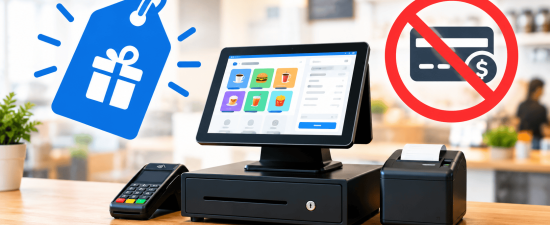
Dual Payments offers something most merchant service providers don’t: a zero-fee processing option. That means the business owner pays nothing to process credit cards. Instead, customers who pay by card are charged a small service fee, while cash customers get a discount. This brings us to something called the cash discount program, and it’s worth understanding properly.
What Is a Cash Discount Program?
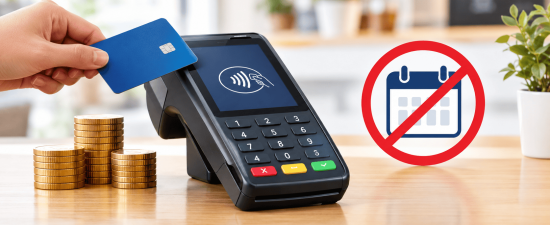
A cash discount program is a legal and increasingly popular way for businesses to stop absorbing credit card processing fees themselves. Here’s how it works in simple terms. Your posted price includes the cost of card processing. Customers who pay with cash get a small discount off that price. Customers who pay with a card pay the standard price, which covers the processing cost. The business owner ends up keeping more money on every transaction.
Cash Discount Merchant Services Done Right
The key to making this work is having cash discount merchant services that are set up correctly and communicated clearly to customers. Signage, receipt formatting, and staff training all matter. If it’s done poorly, customers get confused or frustrated. If it’s done right, most customers accept it without issue and the business owner saves a significant amount of money over the course of a year.
Dual Payments has experience setting up cash discount merchant services across a wide range of industries. Whether you run a liquor store, a dental office, a nail salon, or a mechanic shop, the team walks you through the setup and makes sure everything works smoothly from day one. They also provide equipment that works with various POS systems, which matters a lot if you ever want to switch software down the road without buying all new hardware.
Why Dual Payments Stands Out
There are a lot of merchant service providers out there, and comparing them can feel overwhelming. Dual Payments makes it simpler by being upfront about everything. U.S.-based customer service, dedicated account representatives, no surprise fees, and a cash discount program that genuinely saves business owners money rather than just sounding good on paper.
If your current processor hasn’t explained your fees clearly, or you’re locked into a contract that costs more than it should, it’s worth having a conversation with Dual Payments. Processing costs are one of those business expenses that feel fixed until you realize they don’t have to be.